Breaking Free: Marjorie Taylor Greene Resigns, Calls Trump Relationship Abusive—Is America Next?
The Thinking Citizen: An Elephant in the Room Series
“The Thinking Citizen” is a new series featuring essays by Substack readers, not professional writers. They represent what this publication values most: informed moral reflection, courage, and the willingness to think publicly. In these pages, readers step beyond the authority of experts to form judgments of their own—testing ideas against experience and practicing the kind of independent thinking Hannah Arendt believed was required to sustain democracy.
If you’re interested in writing for “The Thinking Citizen,” start engaging: comment, forward, restack. That’s the first step toward true citizen democracy. I work with all levels, including absolute beginners.
Returning to the Witness Stand is Jason at Kindling the Spark. Jason by day crunches numbers with the calm precision of a mild-mannered CPA; by night, he trades spreadsheets for soul work, stepping into his secret identity as a writer seeking light in complicated times. Armed with a laptop, a sense of justice, and too much coffee, he ventures into the tangled streets of modern life to uncover meaning, balance, and maybe a touch of redemption. His superpower? Turning logic into empathy—and finding patterns where others see only chaos. His kryptonite? Hatred—it unbalances his books, his prose, and occasionally his peace of mind.

© Kindling the Spark, 2025.
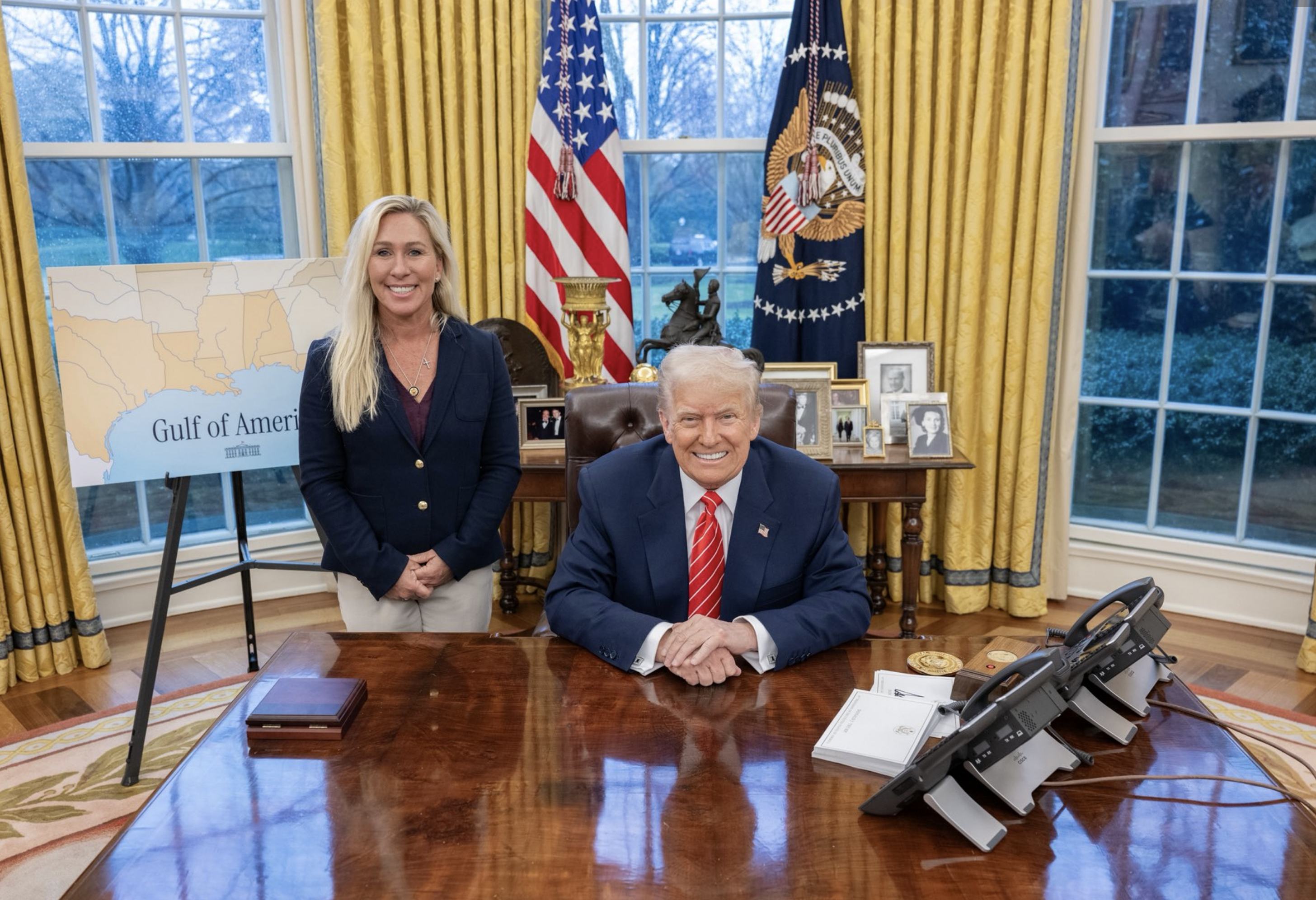
On November 21st, 2025, Representative Marjorie Taylor Greene announced her resignation from Congress, effective January 5, 2026, with a statement that cut to the heart of her relationship with President Donald Trump: “I refuse to be a battered wife, hoping it all goes away and gets better.” Greene’s declaration wasn’t just about ending her congressional career—it was about escaping what she had come to recognize as an abusive relationship built on dominance and submission rather than partnership or shared values. Her decision to file for divorce from Trump’s political machine offers America a painful but necessary mirror: like a battered spouse finally finding the courage to leave, our country faces its own troubled marriage with a narcissistic leader who demands absolute loyalty, punishes the slightest independence, and transforms every relationship into a tool for feeding his ego. Greene’s awakening—from idealized ally to discarded threat to liberated dissenter—charts the same path America must take if we are to rebuild a healthy democracy free from the cycle of worship and fear.
Three days before her resignation announcement, at a November 18th Epstein survivors press conference, Greene had laid bare the devastation of her break with Trump. “I was called a traitor by a man that I fought six years for and gave him my loyalty for free,” she said, her voice breaking with emotion, “Let me tell you what a traitor is—someone that serves foreign countries and themselves. A patriot serves America and American women like those standing here.” This moment captured the precise instant when Greene realized what she had been trapped in: a transactional relationship where her six years of devotion, her money, her time with family, and her unwavering defense of Trump through every scandal meant nothing the moment she asserted independence. Her words—”gave him my loyalty for free”—revealed the bitter truth: in narcissistic relationships, loyalty is never reciprocated, only exploited until the moment it no longer serves the leader’s needs.
This sudden rupture, triggered by Trump withdrawing his endorsement in November 2025 after months of Greene’s escalating policy criticism, reached its breaking point when she signed a discharge petition in September to force release of the Epstein files. It was a textbook example of how abusive relationships work: the shift from putting someone on a pedestal to tearing them down without mercy. Greene, once the perfect loyalist, suddenly found herself thrown out, forced to face a terrifying truth: her value had nothing to do with her political work and everything to do with her unquestioning worship of the leader’s ego. Her words—”gave him my loyalty for free”—reveal the transactional emptiness at the heart of the relationship. This small but brutal episode offers America a painful but necessary lesson: the relationship was never about partnership, policy, or shared values—it was always about dominance and submission. Greene’s break with Trump exposes what many Americans still hesitate to admit: power without reciprocity is not leadership, and loyalty without accountability is not democracy. This is a wake-up call for our country’s own troubled marriage with this kind of toxic leadership, and why our country needs to break free.
For years, Marjorie Taylor Greene’s entire political identity was built on reflecting Trump back to himself. What began as a mutually beneficial transaction—she gained prominence and his endorsement, he gained a fierce defender—gradually transformed into something darker as she lost her own identity to meet his needs, becoming an endless source of praise trapped in a cycle where independence became unthinkable. When Greene supported releasing the Epstein files, the core issue became impossible to ignore: Trump wasn’t putting America first as he’d promised—he was putting himself first. Greene and other MAGA supporters began questioning whether a leader accepting luxury planes, cryptocurrency payments, and other benefits from foreign entities was truly serving the nation’s interests or his own. This realization—that “America First” had become “Trump First”—triggered the devastating response. Greene’s willingness to speak this truth aloud represents a potentially widening rift within the MAGA movement, as more supporters begin recognizing the gap between the populist promises and the self-serving reality.
Greene isn’t the first to experience this treatment—Attorney General Bill Barr served with extreme loyalty until he acknowledged there was no widespread election fraud, at which point Trump branded him “weak” and a “coward,” demonstrating the classic abuse pattern where years of devotion mean nothing after one moment of independence. Mike Pence’s experience was even more harrowing: after refusing to overturn the 2020 election, Trump’s supporters chanted “Hang Mike Pence” while Trump criticized him during the riot—a terrifying escalation where the leader’s rhetoric nearly resulted in the ultimate form of abuse against his own vice president. This pattern has devastating consequences: when Trump makes decisions based on fear and loyalty, rather than careful deliberation, policy collapses. Even his own supporters have felt the fallout: broken promises on healthcare and sharper disaster-relief fights, a shutdown that froze or slashed SNAP benefits and pushed families toward hunger, aggressive attempts to lay off tens of thousands of civil servants that courts say would gut core services, and a churn of crises that economists and allies alike describe as undermining U.S. reliability—leaving many Americans feeling betrayed and furious.
Trump’s response revealed the true nature of their relationship. His public attack against Greene was pure rage, calling her a “ranting lunatic,” “wacky,” and a “traitor.” This is the moment in an abusive relationship when the mask falls off: when the person who gave everything suddenly realizes their devotion meant nothing, and their rejection is total and final. Greene’s response laid bare the real-world consequences: Being called a ‘traitor’ isn’t just hurtful; it puts a target on my back and puts my life in danger”, she argued. She revealed that private security firms were contacting her with warnings as “a hotbed of threats against me are being fueled and egged on by the most powerful man in the world.” The message was clear: step out of line, and you risk everything.
When our country applies this “troubled marriage” model to American democracy, it becomes a diagnosis. Our country has become trapped choosing between validating our leader and protecting democratic health. Narcissistic leaders need constant affirmation, not genuine concern for people, systematically using democracy’s tools—rallies, media attention, endless drama—to force obedience. Loyalty overrides competence, personal devotion displaces expertise—the hallmark of authoritarian leadership.
Breaking away politically is hard for the same reasons abuse victims struggle to leave: the fear of collapse without the powerful figure, the normalizing of chaos, and the hope the good times will return. Understanding this dynamic explains why supporters stay loyal and why breaking free feels impossible. Yet Greene proved escape is possible, recognizing that “loyalty should be a two-way street” and then refusing to endure a Trump-funded primary designed to destroy her. The challenge facing our country is ending this troubled marriage by rejecting the idea that one person’s ego equals the national interest.
This act of national independence will require voters to stop feeding the validation that keeps abuse going. Narcissistic leaders cultivate enablers by offering status for unquestioning support, creating hierarchies where proximity equals worth. These defenders—trolls and believers alike—become his attack force. Greene once served this role and now suffers the same treatment she helped inflict.
The spectacle of a loyalist being suddenly thrown away serves as a stark warning. If our country is going to heal, we must find the courage to file for divorce, accept the turbulence, and rebuild a stable democracy—free from personality worship and fear. Greene found that courage, telling Americans directly: “I refuse to be a battered wife, hoping it all goes away and gets better.” She gave her loyalty for free—but she paid for it with everything. Her awakening to the abuse and narcissism she enabled, and her decision to walk away from Congress rather than endure more punishment, validates everything this essay argues. When Greene chose to submit no longer, she was cast out. Yet her resignation on January 5, 2026, represents not defeat but liberation—the courage to recognize an abusive dynamic and refuse to participate in it any longer. Greene finally saw that the relationship she served was built on obedience, not shared purpose. She walked away. The country must decide whether it will do the same.