Democracy Needs More than Votes: An Open Letter to Political Analysts and Media Voices
What Hannah Arendt Can Teach Us Now—and Penelope's Resolute Defiance
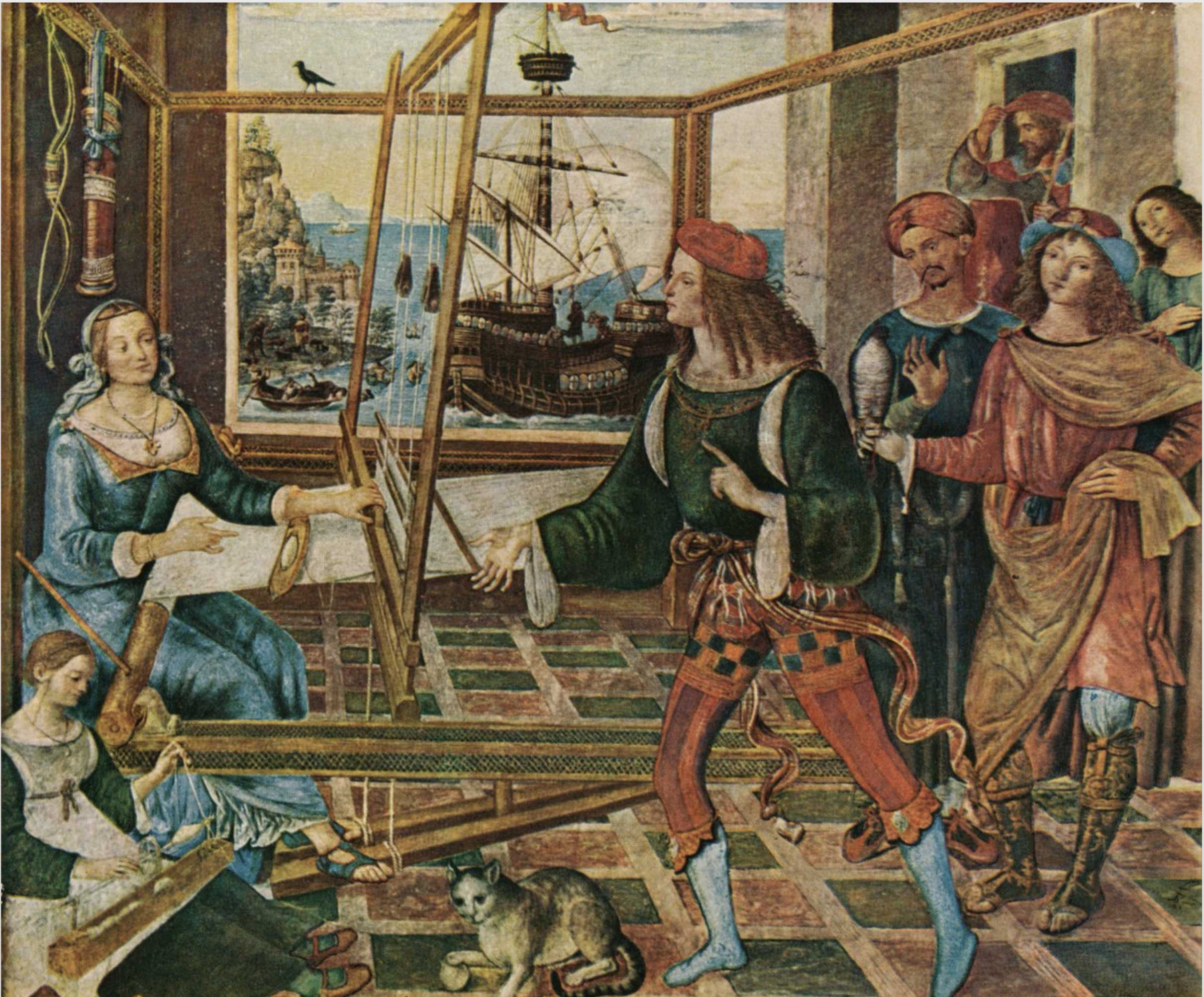
Below is an open letter sent to the hosts of The Rest is Politics US (YouTube), Katty Kay and Anthony Scaramucci. A tailored version has also been sent to Substack writers with high-level access. My goal is twofold: to speak directly to these commentators and offer a template for anyone who wants to challenge media voices to move beyond high politics and include citizen agency.
If you share these concerns about how political conversation is narrowed to elites while ordinary citizens are sidelined, I invite you to adapt this letter in your own name. Send it to journalists, podcasters, public officials, or anyone you believe needs to hear that democracy depends on citizen agency above and beyond voting in elections. In this version of the letter, I drew from Homer’s Iliad and Odyssey because Scaramucci is well-versed in this literature and often often references it in his public commentary.
Dear Ms. Kay and Mr. Scaramucci,
I watch “The Rest is Politics US” for your astute analysis of American politics, access to DC power brokers, and insights into the specific presentation of narcissism in Donald Trump. You inform the public well about Trump’s authoritarian intent and actions, and it is clear you have the trust of your audience, since you are now able to offer relationship advice—something that an audience accepts only when it senses integrity. Thank you for your important work.
I am writing directly to you today, however, out of concern. While the information you provide to your audience is highly valuable, it focuses on a very narrow section of American society—the political and economic elite, including but not limited to Trump and his cabinet, Congress, and top financial players. While it is true that many political moves and power grabs in democratic systems occur behind the scenes and independent of elections, a singular focus on high politics at this particular moment carries risks. At the very least, it mimics and solidifies the power structures that disempower the average American. At worst, this kind of reporting and commentary can unintentionally reinforce the idea that the average citizen is not really a citizen at all, but rather a subject of grand conspiracies and perpetual manipulation.
It is certainly symptomatic of developing dictatorships and dying democracies that political opposition and the fourth estate engage in high-level skirmishes with government in front of a passive and increasingly disaffected public. Indeed, political polarization in the United States, where only those most radicalized and beholden to conspiracy theories continue to engage in the political process, is symptomatic of this problem. Much like the rift that develops between Achilles and Agamemnon in The Iliad, the media raises important objections to the strategies of the current White House, but leaves the general population stranded between warring leaders.
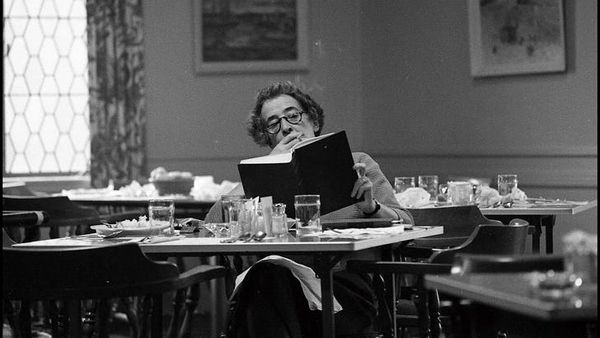
With few to no suggestions for a popular response to the current US political situation, discussions on this topic can unintentionally play into these beliefs as readers remain passive spectators—parallel to the passivity burgeoning authoritarianism wants to create, as Hannah Arendt describes in The Origins of Totalitarianism. Unfortunately, I see very little discussion of popular resistance outside of the midterms, and its absence points to a logical conclusion that is far more disturbing than absurd: democracy in America is a sham, and the people had little voice and influence long before Trump came into power in 2016. I don’t believe that the United States is a Potemkin democracy, and I know you don’t either, but this is unfortunately the impression a viewer can walk away with when the full dynamics of representative democracy are not portrayed in reporting and political analysis.
Not every American has fallen prey to the current cult of personality, and many—perhaps even a majority—are ready and willing to push back on things they disagree with. But they have to believe action is still possible before the midterms, and they need direction that takes into account multiple avenues of power in democracies, not just elite moves.
One of the best ways to correct this impression is to cede some intellectual sovereignty. Focus a little less on interpretation to build and maintain a subscriber base and apply your expertise in power to illustrate at least weekly how your readers can influence the system individually and en masse. Give your audience hope through action and agency, rather than despair in passivity. In The Odyssey, Penelope is able to contain the noble suitors devouring her household’s wealth and protect her son Telemachus from certain death by first unraveling her weaving every night and later devising the bow contest. She kept the suitors at bay for 20 years without arms or manpower until Odysseus returns and strings the palintonos.
The American people, likewise, have the ability to coordinate non-provacatively and in dignity against Trump—if they are given direction. If you offer strategic advice to your audience, you are more likely to expand viewership and loyalty and may very well harness the power of the average American to stop the descent into autocracy.
Yours truly,
R.T. Greenwald
“What Hannah Arendt Can Teach Us Now,” The Elephant in the Room (rtgreenwald.substack.com)