How We Write Matters
Transitioning to The Draw to Judgment
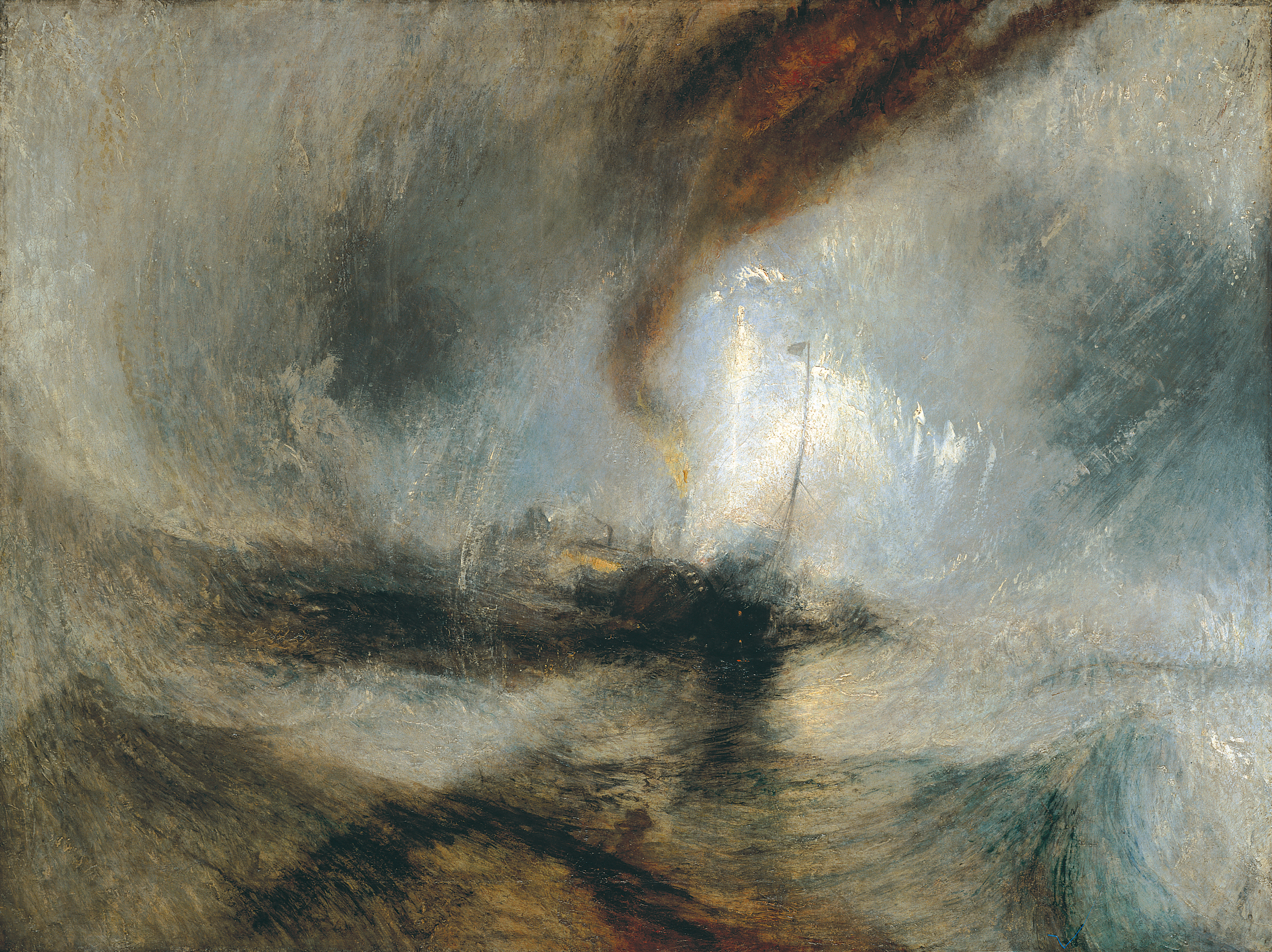
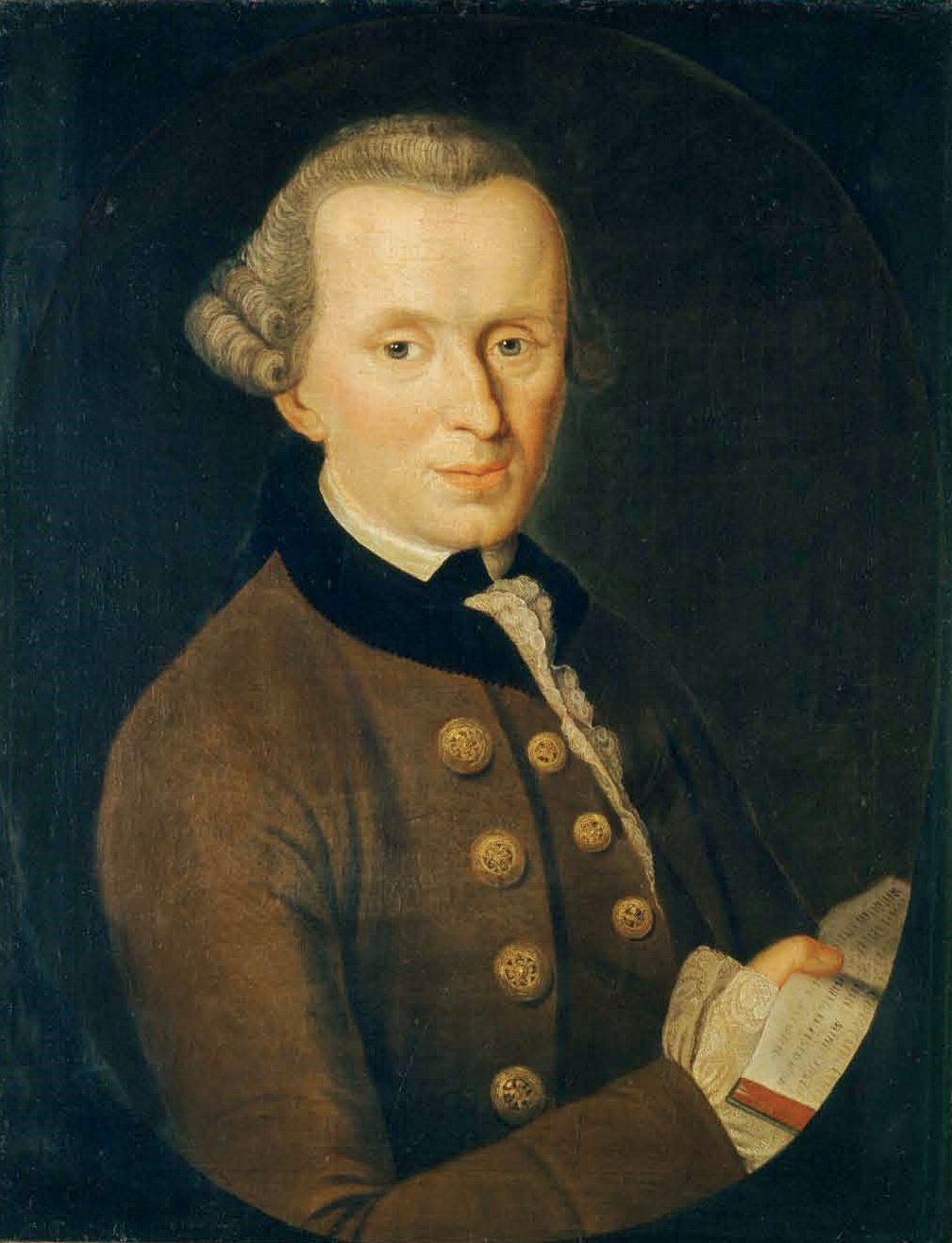
Immanuel Kant’s Imperative: Dare to know!
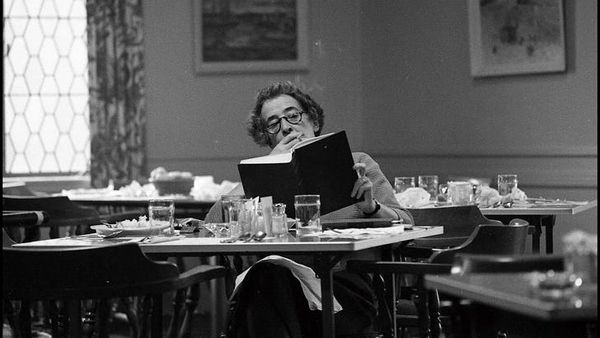
Hannah Arendt’s Corollary: What convinces masses are not facts, and not even invented facts, but only the consistency of the system of which they are presumably part.
R. T. Greenwald’s Derivative: Use your noodle.
After a somewhat sleepless night, I woke up at first with a loss for words—a rarity. The murder of Renée Good was not surprising in the face of a threatened regime, but it still came as a shock. The deployment of 3000 ICE agents to Minneapolis-St. Paul, MN, while not unexpected, produced an aftershock. No amount of historical knowledge prepares you for the earth-shaking reality of these moments. It’s hard to maintain equilibrium as you’re living through it.
We don’t know yet what this moment will signify. Is it the moment when autocracy overcame American democracy or the moment when Americans reasserted rule of law and the democratic order?
It’s not clear. Not yet. We are simply in a time of unmooring and can’t predict what will come next. One thing is for certain: it’s hard to live with uncertainty.
While it’s tempting and reassuring right now to declare autocratic closure,1 all we really know in the moment is that the White House has yet again made authoritarian moves, that there is again strong resistance, and that we have no idea what comes next. This is not the first time ICE killed innocents, but this incident is likely bringing many Americans to recognize that this could be their fate too.
Empathy isn’t truth, and feelings aren’t facts—that includes how we position ourselves vis-a-vis last week’s tragedy. It’s not surprising that the strongest approaches for evaluating this incident came about a week after Good’s murder, not overnight. Responsible publications waited for conclusive evidence to become available and, in at least one case, advised readers to stay off social media for 24 hours.2 I have restacked a few of these, and you can find them under my Notes. Those who judged too quickly with certainty risked feeding greater polarization, not only through heated rhetoric, but also from lack of evidence in the moment. Fear, outrage, and poor judgment fuel the authoritarian-narcissistic dynamic.
It is this pause before acting that I will be addressing going forward in this column. The battle for American democracy isn’t about left versus right, Democrat versus Republican, or other opposing political teams and ideologies. It is about placing careful and deliberate thinking above loyalty and empathy. That is The Draw to Judgment, something we have been heading toward when I first introduced the series “What Hannah Arendt Can Teach Us Now” about a year ago.
In her last work, The Life of the Mind, Hannah Arendt turned her attention to metaphysics in order to explore how our inner lives relate to the collective. It was a significant move from her long-term focus on political theory. It reflected her contention that an inability to think rigorously was instrumental in producing the conditions for authoritarianism, especially its main weapon—the creation of an internal and external enemies. Her series for The New Yorker, later published in book form as Eichmann in Jerusalem: A Report on the Banality of Evil, was a first attempt to relate what she termed “thoughtlessness” to the conjuring of outgroups and the bureaucratic culture that carried out their destruction. In 1975, when she died of a heart attack at the age of 69, she had completed the “Thinking” and “Willing” sections of her metaphysical exploration, but the third section, “Judgment,” was found as a piece of paper rolled into the carriage of her typewriter.
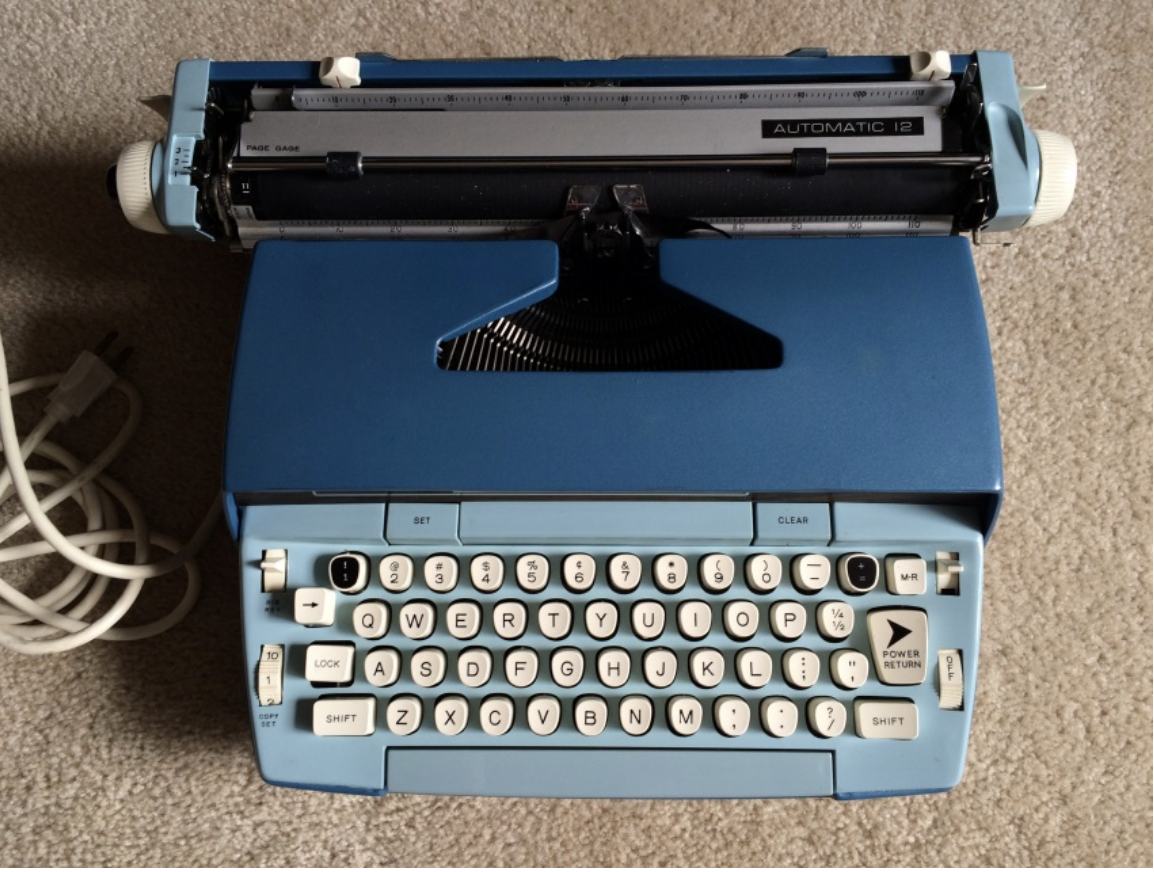
That piece of paper contained two quotes:
Victrix causa diis placuit, sed victa Catoni. — Lucan
(The conquering cause pleased the gods, but the conquered cause pleased Cato.)
Könnt’ ich Magie von meinem Pfad entfernen,
Die Zaubersprüche ganz und gar verlernen,
Stünd’ ich, Natur! vor dir ein Mann allein,
Da wär’s der Mühe wert, ein Mensch zu sein. — Goethe
(If I could remove the magic from my path, and utterly forget all enchanted spells, Nature, I would stand before you as but a man, Then it would be worth the effort of being a man)
The first quote comes from the Roman poet Lucan and refers to Cato the Younger, who committed suicide rather than submit to Julius Caeser after he defeated Pompey. In Roman culture, the success of conquest indicated divine favor, but for Cato, the truth of the situation was the death of the Republic. Rather than cede to the political demands of the moment, Cato chose to maintain internal judgment in the face of authoritarian collapse. The second quote is from Johann Wolfgang von Goethe, considered one of Germany’s greatest poets and polymaths. Goethe provides the method to Cato’s example. According to Goethe, it is neither the adrenaline from shock and outrage, nor factions and ideologies that reveal truth, but careful observation and contemplation. Critical thinking, not empathy and loyalty, renders good judgment.
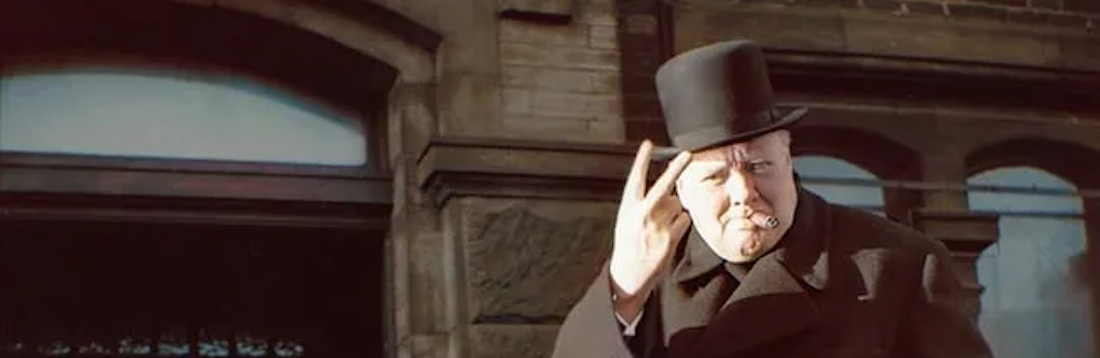
Subscribers who are reading this piece as an email may have noted the new illustration at the top of the piece (Churchill is now at the bottom, but certainly no less important). The Bronze Age archer and charioteer are ancient symbols of The Draw to Judgment communicated in Arendt’s intended epigraphs. The charioteer must keep the horses working together, in addition to providing a stable platform for the archer in the heat of battle. He represents the relationship of the individual to the polity. The archer, in turn, is required to maintain precise aim and coordination under chaotic conditions, while withstanding the strain of holding the bow steady when drawn. The self-discipline of restraint before action, plus the close coordination of the charioteer with his surroundings, produced one of the most potent weapons in ancient warfare. Today, we emphasize the weapons of the mind and spirit, but the principles remain the same.
“Nine out of Mike’s twelve shots hit their target.”
It is likely that Arendt, in that missing last section of The Life of the Mind, was intending to address how individuals maintain restraint and truth as they interact with the polity. The tools Arendt had at her disposal were two millennia of Western philosophy. Today, we now have available a large body of literature on the relationship between the nervous system and psychology, something that was in its infancy when Arendt referenced the subject in The Origins of Totalitarianism. Arendt was not versed in non-Western traditions, but had she been a generation younger, she would have been exposed to other canons. I am also contributing my historical training in pattern recognition and evidence gathering to model how we Draw to Judgment: learning to pause, think, then act, in a complex world where governance lies not in a natural or divinely appointed hierarchy, but in our own political choices.
The events in the Twin Cities have not only amplified the need to pause before judgment, but to consider how judgment is translated into right action—Satyagraha or nonviolent coordination. On this publishing platform and likely elsewhere, we are taking for granted that the average American is trained in nonviolent resistance. Renée Good and her fellow protesters certainly weren’t, making it easier for citizens looking for an internal enemy to suggest that Jonathan Ross was exercising self-defense rather than committing murder.
Note that my decision to recalibrate the orientation of this Substack just happened to coincide with the murder of Good. A couple of years ago, I created The Elephant in the Room to address inconvenient issues that today have now fortunately entered mainstream discourse (the surge of American antisemitism is not only one of the most significant failures in the enforcement of US Constitutional rights, but also, remarkably, a phenomenon regularly dismissed by the very Jews it targets). Unfortunately, we writers are just starting to address how Americans perceive and think about the current political chaos. Under its new name, The Draw to Judgment, this Substack will continue modeling rigorous thought and writing so that readers can take these practices from their living rooms to the public square.
A final, related update: I am almost finished with my third piece in the Satyagraha series. I hope that my analysis of women’s sex refusal in Liberia under wartime conditions will provide more tools to manage the current temblor and resist further democratic erosion—as peacefully and safely as possible. If it does, I hope my readers will share what they have learned beyond this platform.
© R. T. Greenwald 2026
See my discussion of premature conclusions declared during the 12 Day War last June. Attempts at Arendtian prophecy can be dangerous. R. T. Greenwald, “Arendt, Iran, and the Seduction of Certainty: Ceci n’est pas un président,” The Elephant in the Room (Substack), July 11, 2025 . ↩
Chris Cillizza, “URGENT: Here are the FACTS about the Minneapolis ICE shooting Everyone take a deep breath,” So What (Substack), January 7, 2026, 11:27; Chris Cillizza, “No, I am not “both-sidesing” the Minneapolis shooting A Rant,” So What (Substack), January 8, 2026, 4:40. ↩
🚨 URGENT: Here are the FACTS about the Minneapolis ICE shootingNot a subscriber yet? Become one today! You can subscribe for FREE to get most of my content delivered to your inbox. A PAID subscription is $6 a month or $60 a year and gets you access to ALL of my stuff and a bunch of other goodies too! Why subscribe? Because now more than ever you need an independent political journalist who isn’t owned by ANYONE. Su…